
Somatic Experiencing – trauma therapy

Somatic Experiencing
trauma therapy

A body-based approach to trauma healing

When the body is heard, the nervous system softens, and trauma begins to resolve from the inside out.

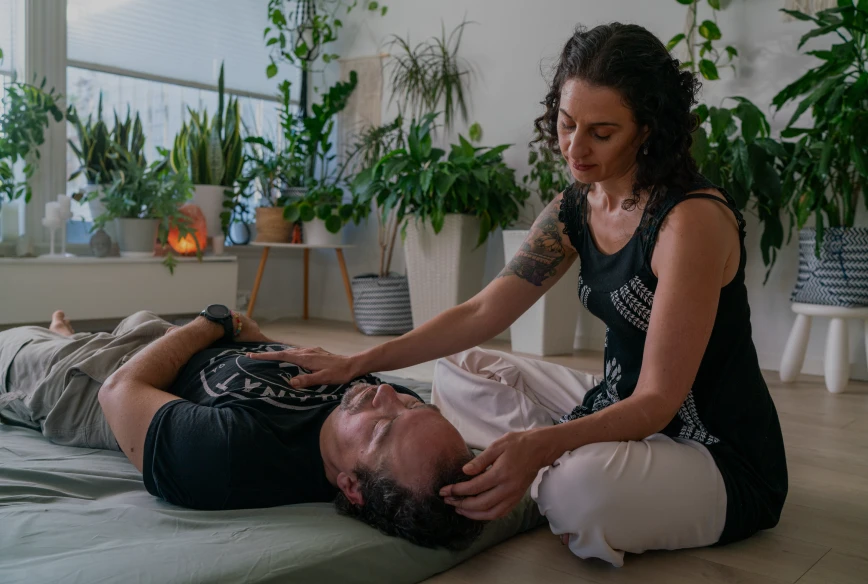
Somatic Experiencing session

What is Somatic Experiencing (SE)

Somatic Experiencing® (SE) is a gentle, body oriented approach to trauma healing that recognizes the deep connection between the nervous system, emotions, and physical sensation. Developed by Dr. Peter A. Levine, SE is based on the understanding that trauma is not only psychological or emotional, but also held within the body's physiology.

When trauma remains unresolved, it can leave the nervous system caught in protective patterns that affect how a person experiences their body, emotions, relationships, and overall sense of safety in the world. Through guided awareness of sensation and gradual nervous system regulation, the work unfolds slowly and safely, allowing resilience, coherence, capacity, and stability to build over time.

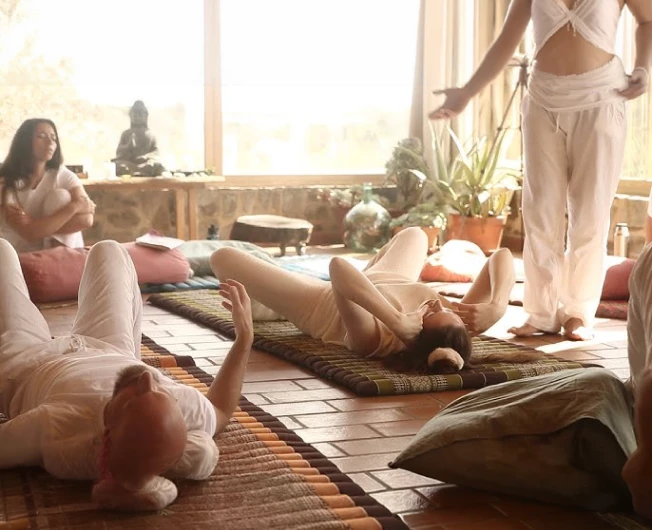
Nervous System States and Survival Responses

When the nervous system experiences threat or overwhelm, it can move into protective responses such as fight, flight, freeze, or fawning.

These responses may show up as anger or defensiveness, anxiety or the urge to escape, shutting down or disconnecting, or adapting to others while losing connection with your own needs.

Understanding these patterns helps create more awareness, regulation, and choice.

A Compassionate and Gentle Approach to Healing

Trauma can leave the nervous system holding patterns of protection that once helped you cope but may now feel limiting. This work supports reconnecting with the body and emotions, allowing greater flexibility, regulation, and resilience to develop over time.

A big part of this is reconnecting with the natural ability to feel and express emotions without fear or shame. At times trauma can make it hard to feel anything at all, or it can make feelings so intense they feel impossible to handle. Somatic Experiencing (SE) helps the nervous system find its way out of being stuck or frozen in a way that feels steady and empowering.

Signs the nervous system may be stuck

Unresolved trauma often leaves the nervous system stuck in protective patterns that shape how we live and relate. Common patterns include:

  • Hypervigilance or constant alertness
  • Overwhelming emotions — sudden anger, fear, or sadness
  • Emotional reactivity or sudden overwhelm
  • Shutdown, dissociation, or numbness
  • Avoidance of people, places, or situations that feel triggering
  • People-pleasing or difficulty setting boundaries
  • Difficulty trusting yourself or others
  • Replaying old relational or attachment patterns
  • Chronic tension, pain, or physical discomfort
  • Struggles with focus, memory, or executive functioning

What types of trauma and somatic wounding therapy are offered?

This work supports a wide range of trauma and nervous system dysregulation, including:

Developmental and relational trauma

  • Early neglect, inconsistent caregiving, lack of emotional attunement, or unmet needs
  • Betrayal, abandonment, rejection, codependency, people pleasing, fear of intimacy
  • Narcissistic abuse and other harmful relationship dynamics

Physical and medical trauma

  • Serious illness, chronic disease, autoimmune conditions linked to stress
  • Accidents, surgeries, invasive procedures, prolonged hospitalizations
  • Near death experiences, fear of mortality, suicide attempts, or psychological impact of life-threatening events

Existential and spiritual trauma

  • Identity crises, loss of meaning, spiritual abuse, dark night experiences, shifts in perception
  • Profound experiences that challenge the sense of self or reality

Generational, ancestral, and cultural trauma

  • Inherited fears, beliefs, oppression, scarcity patterns, unresolved grief
  • Collective experiences such as racism, sexism, colonial impact, war, displacement, or systemic marginalization

Somatic and nervous system trauma

  • PTSD symptoms, chronic anxiety, panic, fight, flight, freeze, or fawn responses
  • Trauma stored in the body, muscle tension, or physical imprints of stress
  • Sexual trauma: Trauma resulting from sexual abuse, assault, rape, or other non-consensual sexual experiences.

Birth, reproductive, and early life trauma

  • Birth trauma, postpartum challenges, miscarriage, infertility, adoption
  • Early separation wounds and disruptions in bonding
Compassionate trauma support

Trauma is Complex, But You Don't Have to Navigate It Alone

Trauma is sensitive and deeply personal, and working through it requires patience, care, and the right support. Memories, sensations, and emotions can surface unexpectedly, making it difficult to feel progress or maintain hope. Depression, anger, anxiety, PTSD, and emotional numbness can often feel like barriers to living fully, making joy and connection feel distant.

Somatic Body Touch and Body Communication

Somatic body touch sessions focus on how the body communicates when met with slow, conscious contact. This is not muscle manipulation or corrective work. It is a regulated, attentive approach that listens to the nervous system and the subtle language of the body.

Through gentle, intentional touch, breath, micro movements, contractions, areas of numbness or activation, and shifts in temperature or tone are tracked. The body begins to reveal how it has stored experience, protection, adaptation, injury, emotional memory, and shame.

Many patterns live beneath words in posture, muscle tone, and reflexive responses. These sessions allow the body to soften protective holding and complete responses that were interrupted, reorganising at its own pace. There is no forcing, fixing, or analysis.

Everything is based on readiness and full consent. Touch is adjusted to your capacity and may evolve over time to include firmer contact or sustained compression if appropriate. Emotional release is welcome, and any emotions or memories that arise are held in a safe and respectful space.

Trauma Release Exercises for Nervous System Regulation

In my work, I offer Tension and Trauma Release Exercises (TRE) as a complementary practice alongside Somatic Experiencing, when it feels supportive and appropriate.

TRE, developed by Dr. David Berceli, is a gentle body based approach that uses simple movements to support the body’s natural tremoring response. This process can help release patterns of stress, tension, and activation held within the nervous system, allowing the body to move toward greater regulation and balance.

By supporting the body’s natural capacity to unwind, many people experience a greater sense of ease, grounding, improved sleep, reduced anxiety, and a deeper connection with their body over time.

Trauma release exercises

Somatic Experiencing & Coaching

Somatic experiencing sessions

In person session
60 minutes Kr 1,100
90 minutes Kr 1,650

Reduced rates available for those affected by health or financial circumstances — please get in touch to discuss support options.

Applies to

Somatic Experiencing Body Tracking Somatic Bodywork Somatic regulation exercises Co-regulation classes offered Somatic Partner Relating sessions
Trauma therapy packages — paid upfront
5 × 60-min sessions Kr 5,000
5 × 90-min sessions Kr 7,500

Sessions are held weekly for bundles, max every 2 weeks. Packages are valid for 4 months from purchase. This is ideal for intensive integration, emotional processing, and long-term embodiment of expanded states.

90-minute sessions only

Intimacy & Attachment Somatic Work

In person session
90 minutesKr 1,780

Includes, but not limited to

Attachment style work Inner child somatic floor work Starvation-for-touch bodywork Holding the small child (touch-based) Loving mother or partner role touch work

These sessions are not offered endlessly, but are available when there is deeper material to process and meet. The intention is to support integration and movement, not ongoing dependency.

Transference may naturally arise in this work. If it does, it will be acknowledged and worked with consciously within the sessions together, as part of the therapeutic process.

Note

These sessions involve safe, therapeutic physical touch, including holding and role-based work such as mother-child dynamics, alongside emotional exploration of attachment wounds. While sensations or feelings may arise, this is not the focus. These sessions are not sexual or erotic in nature, but are grounded in therapeutic intention, presence, and care.

Late Cancellation / Rescheduling (Within 48 Hours)

If a session is cancelled within 48 hours of the scheduled appointment time, the full session fee will be charged.

If a rescheduling request is made within 48 hours of the scheduled appointment time due to an unforeseen circumstance, a 40% rescheduling fee applies. The session may be moved once, and the rescheduled appointment must be booked within 1 week of the original appointment date.

Session Timing and Overtime

Sessions begin and end at the agreed times. Any time extending more than 5 minutes past the scheduled end will be charged as overtime.

Students

If you're experiencing financial difficulty, please feel free to speak with me, we may be able to find an arrangement. Students may request a discount (approx. 15% for therapy and 10% for soft/relaxing massage).

Introductory Call

If helpful, new clients can arrange a free 15-minute introductory call to see whether this feels right for them. Longer discussions would need to be booked as a session.

International and Online Clients

All payments are made in NOK (Norwegian kroner) and will be automatically converted by your bank if applicable. Payment must be completed at least 2 days before the session to confirm the booking.

Ready to begin
your journey?

Sessions are held in person or online. Reach out to discuss which offering feels right for where you are.

Frequently Asked Questions

Scroll to Top